

Sound bloom install guide
Install recipe and floor cues for the sound bloom stage.
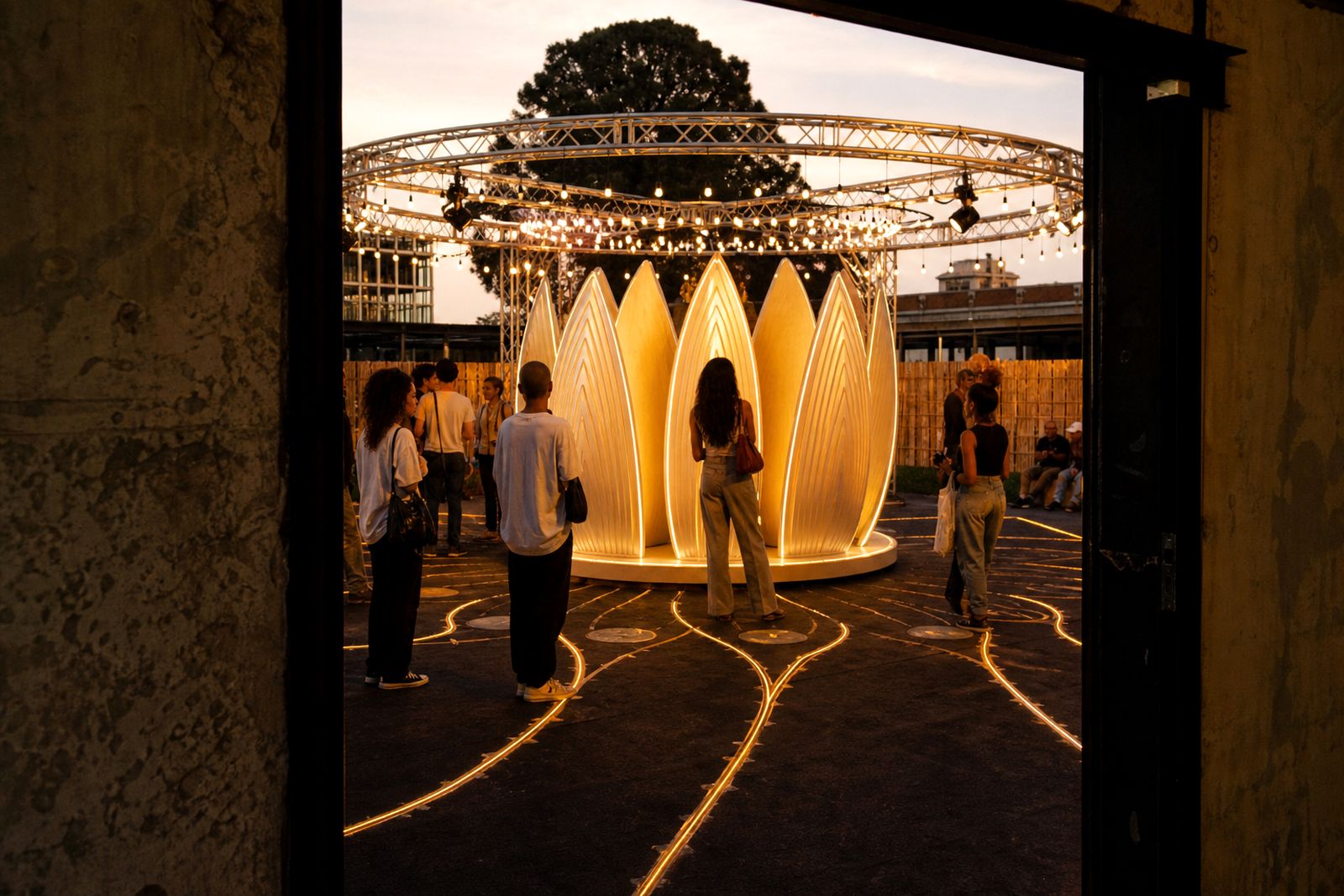
How the sound bloom stage runs
| Stage | compact |
|---|---|
| Soft | acoustic |
| Rear | brandable |
| Ideal for | Culture nights |
| Lead | Metros |
| Care | Soft + truss |
For sound bloom stage install, use the contact form with venue type, city, and the first problem. Include whether the brief is for a festival lawn, mall court, or retail forecourt so the pack covers ballast, power, and rear branding in the right order.
For crew routing and supplier context, pair this install page with the matching dispatch notes and adjacent builds. Those pages flag truck access, patch timing, and what changes when the stage lands in a festival field versus a retail court.
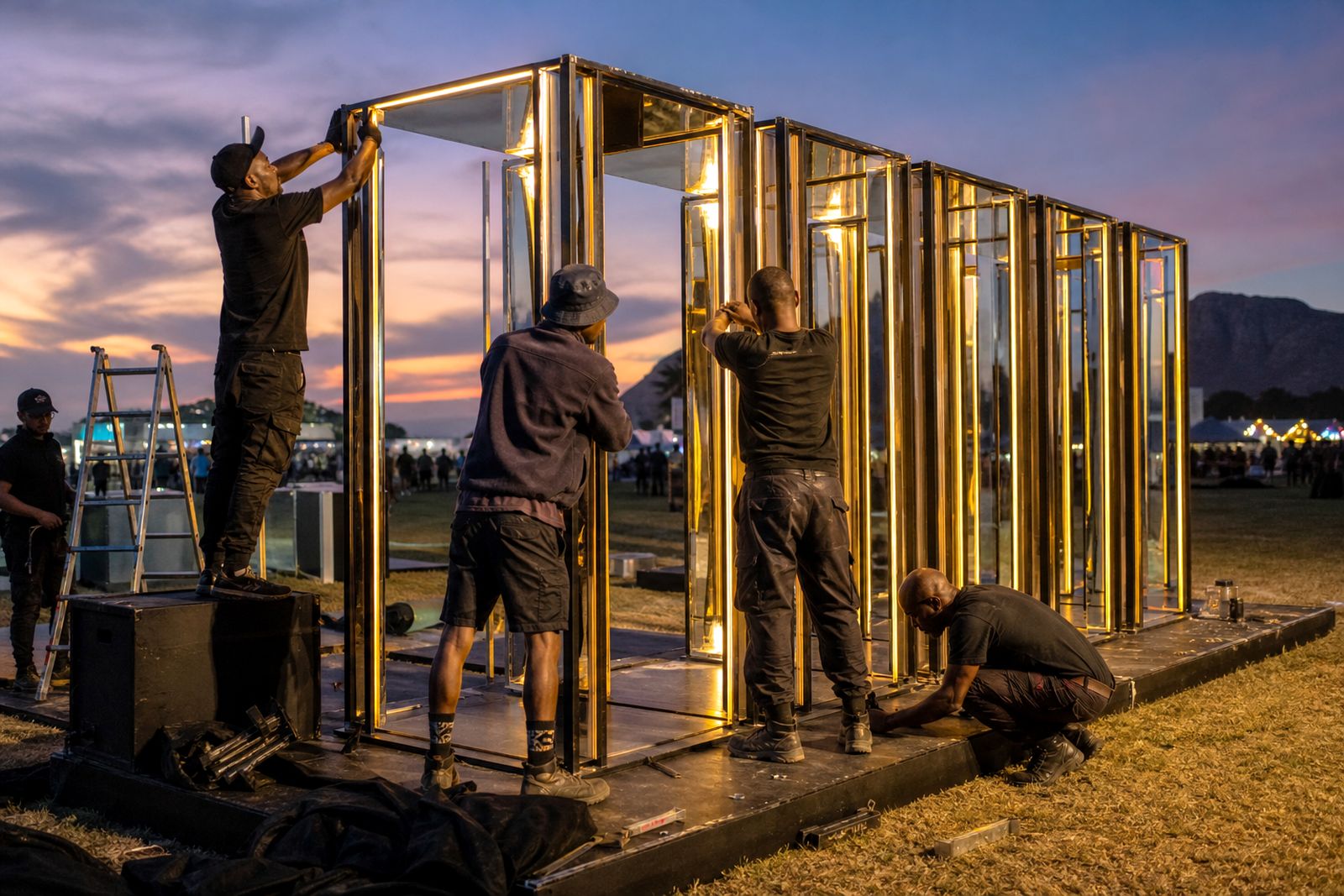
Sound bloom stage install starts with the risk that can stop doors, not with styling language. The stage is treated as a compact acoustic setup with rear branding, soft finishes, and a truss condition that must suit wind, dust, access windows, and generator changeover. The notes focus on cue points, cable direction, ballast calls, and audience edge control for South African festival and retail sites.
Say plainly what is stuck. If the problem is wind, we keep ballast and cut-off on the same brief. If the problem is dust, we publish the seal card. If the problem is queue psychology, we put lane notes next to the brand moment. Sound bloom stage assumes Highveld dust, coastal wind, mall ops windows, and load-shedding, not a fantasy clean-power stage.
Run the first low-light check before the public enters. Rear skins, truss wraps, and soft surfaces read differently after sunset, especially where mall lighting drops or a festival line array throws spill onto the stage. Keep the handoff note linked to the contact form so the next producer can see what changed on site at Woodstock, Sunnyrock, or a metro retail launch.
Stage pack and site cues
The install pack centres on a short rig order, brand surface positions, and a cue list for crew leads. It covers where the compact stage sits, what must stay clear behind the rear branding zone, and which checks happen before acoustic line test. The sound bloom stage install is written for South African load-in conditions, with wording that works in Gauteng dust, coastal gusts, and mall trading-hour constraints.
Check the venue playbook before locking the sound bloom stage footprint. Acoustic stages fail when access lanes, backstage storage, or power isolation are guessed from a plan instead of marked on site. When you use our contact form, send the main problem, city, venue name, and whether you need install, care, or both for the same stage.
- Compact stage footprint with rear branding
- Ballast, cut-off, and cable route cues
- Dusk check notes for acoustic spill
- Matched dispatches for festivals and launches
Wind, dust, and access reality
Sound bloom stage is planned for Highveld dust, coastal wind, mall ops windows, and power interruptions. Soft finishes need protection during load-in, rear branding needs stable fixing, and acoustic equipment needs a clean route away from public pinch points. These notes do not replace a venue tech spec or safety sign-off, but they help the producer arrive with the right questions and checks.
Festival sites often share crew, trolleys, and storage, so the stage brief must state what can be moved and what stays fixed. Retail launches bring tighter delivery times, stricter housekeeping, and shorter test windows, which changes how truss, ballast, and soft goods are staged. If the programme sits beyond a starter install, say which problem is live so the next pack can point to the correct stage, venue, or dispatch route.
What our Brand Activation customers say
Verified Google reviews
Also worth a look
Tell us about your activation
Send a note through our contact form with the venue or event, the date, the crowd you expect and the feeling you want, and we will come back with a practical plan and a quote.
Open the contact form