Venue
Lounge and walk activations with security-aware builds.
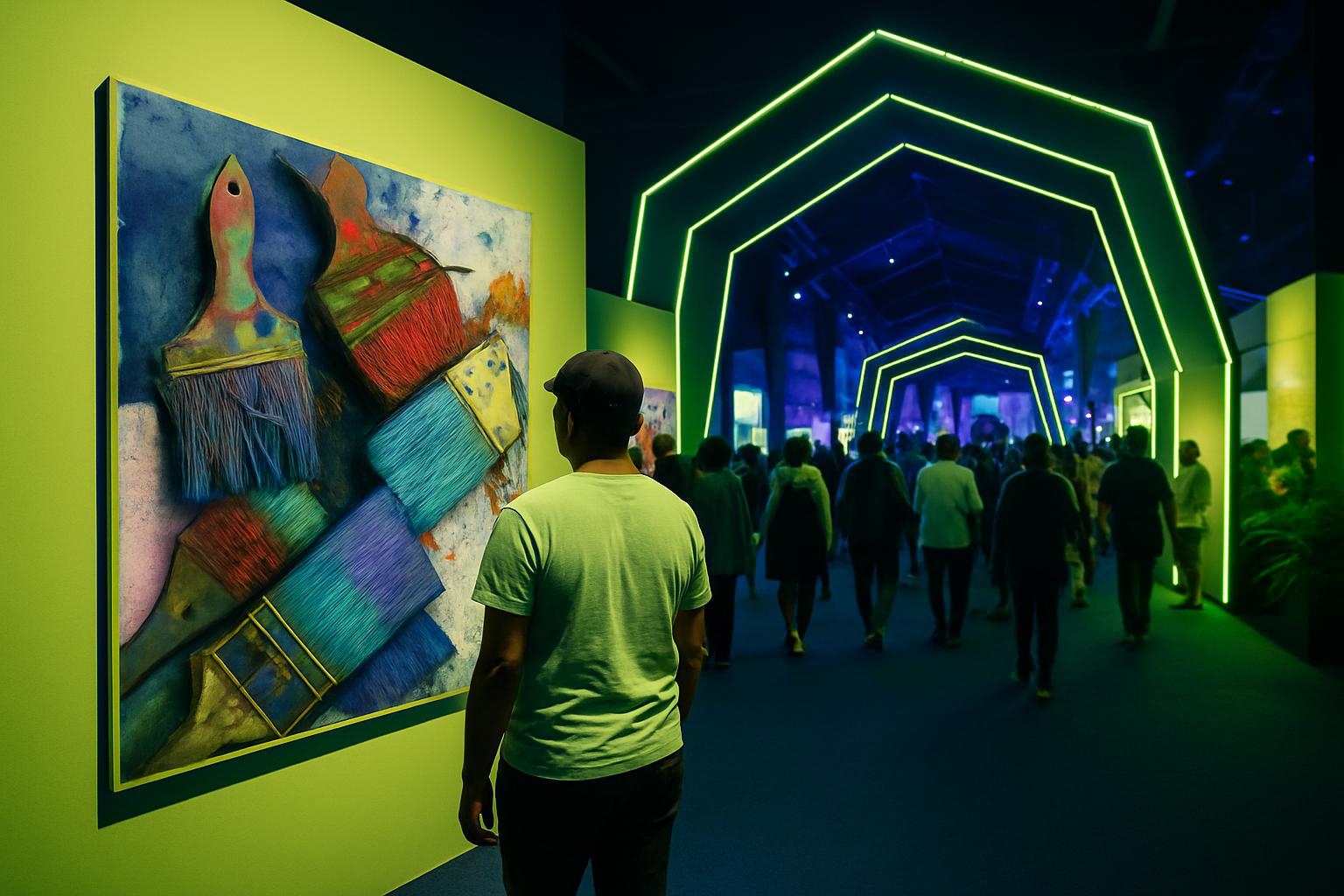
Start with the passenger dwell pattern, then line up dispatch notes and resources against lounge access rules. In an airport terminal lounge, every unit, cable run, and staff movement must suit screening requirements, airline traffic peaks, and the limited space between seating, coffee counters, and boarding routes.
An airport terminal lounge works best when the activation follows how travellers actually pause, queue, recharge devices, and watch departure boards. We map the entry check, the welcome point, the brand interaction, and the exit sightline so the build supports lounge operations rather than interrupting them. Storage, branding weight, and power access matter more here than oversized scenic pieces.
First, confirm which airline or lounge operator controls the site, who signs off branding, and what can pass through back of house. Next, mark the live passenger path, baggage pinch points, and any zones that must stay visible to security staff. Then prepare the kit list around light structures, quick wipe surfaces, and low-noise operation. Before launch, log staff access names, delivery timing, and pack-down rules tied to flight traffic.
South African airport work can tighten quickly when access windows shift or screening queues grow. For that reason, we lock the compliance checks before styling details, especially where power points are shared with lounge services or cleaning teams need a clear route. If load-shedding affects upstream prep, battery-backed elements and printed touchpoints usually carry the activity better than power-hungry set pieces.
Each airport lounge brief needs one activation format, one operating contact, and one source of truth for changes. The venue pack should show dimensions, branding positions, restricted items, and how staff enter with stock or uniforms. When you write to us through the contact form, include the airport, terminal, lounge operator if known, and which checks are still pending. For venue playbooks, a simple list of access limits and passenger times is more useful than a long concept note.
Support suppliers in Woodstock, Sunnyrock, Clearwater, Cresta, Pavilion, Tyger Valley, Baywest, and Riverside need a straight handover when airport access is split across teams. Note what reached site, what security held back, and which lounge manager or terminal contact saw the last version of the setup.
This venue usually goes wrong when a concept meant for retail gets pushed into a lounge without trimming the footprint. Trouble also starts when promoters forget that travellers carry bags, watch boarding times, and do not queue for long interactions near a gate-facing corridor. Keep the touchpoint compact, visible, and easy to reset between traffic surges.
Power availability, security screening, and cleaning access tend to shape the final plan more than creative extras. Where dust, trolley movement, or constant handling are factors, we favour durable skins, weighted bases, and hardware that can be inspected quickly. If the lounge opens onto a busier terminal edge, the activation should hold its message from a passing glance before inviting a longer stop inside.
For supplier review, use our contact form and label the venue as Airport terminal lounge. Include one phone photo of the setup area, passenger flow direction, and a short status note covering power access, security restrictions, and branding pieces on hand.
Verified Google reviews
Airport lounge enquiries can be sent via our contact form with the terminal, city, and whether the build sits before or after security. Planning and dispatch run from Woodstock, Cape Town.