Modular pavilion
A tension-fabric pavilion built as a soft landmark for plazas, forecourts, and festival entry zones.
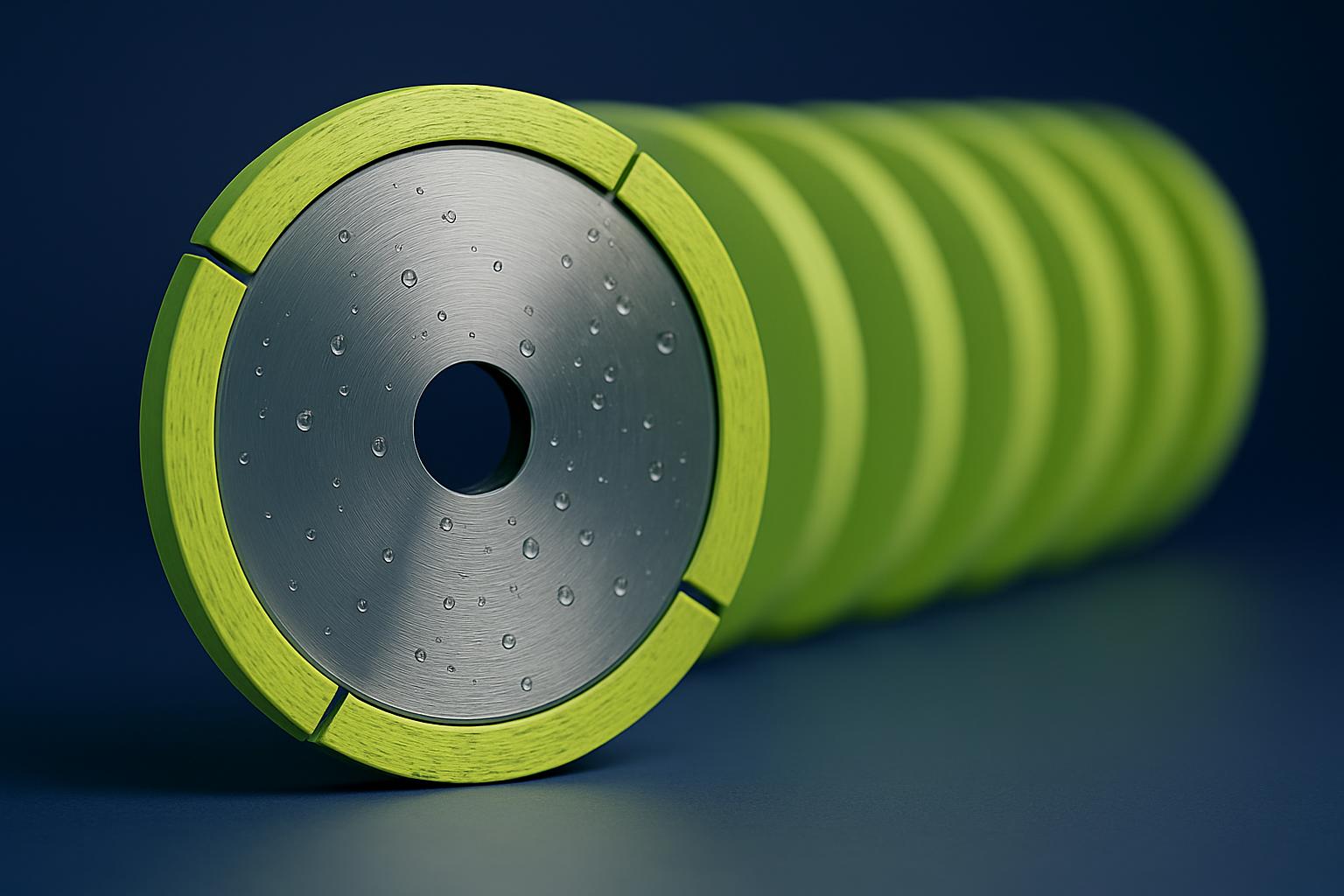
Brands pick Ripple when a plaza needs a soft landmark that still clears fire egress by dusk.
| Footprint | modular bays |
|---|---|
| Skin | tension fabric |
| Ballast | water/steel cue |
| Ideal for | Plazas, festivals |
| Lead | Cape & Gauteng |
| Care | Fabric + zip |
Ripple Pavilion is specified for sites where people need a visible meeting point without choking exits or sightlines. The kit is organised around modular bays, weighted ballast positions, ceiling branding zones, and a close-down routine that suits South African trading hours. For public-facing builds, the useful questions are wind direction, dust exposure, queue shape, and what must be cleared before the last mall or festival handover.
Set out the main problem in the first sentence. If the problem is wind, we keep ballast and cut-off on the same brief. If the problem is dust, we publish the seal card. If the problem is queue psychology, we put lane notes next to the brand moment. Ripple Pavilion assumes Highveld dust, coastal wind, mall ops windows, and load-shedding, not a fantasy clean-power stage.
After sunset, the fabric skin and zip points need a fresh look under working light, not only daylight. Cape Town gusts and Gauteng dust both change how the pavilion presents by first public hour, so the handoff note should cover tension, ballast position, and any media points hanging overhead. Use our contact form when the issue is specific to a site condition, not when the team still needs to define the basic footprint.
The pack centres on bay layout, ballast cues, branding positions, and care notes for the skin after public use. Instead of a long generic manual, Ripple needs short instructions that a build crew can follow during load-in, reset, and strike. Cape and Gauteng deployments differ most on wind loading, access windows, and how much dust gets trapped in fabric joins, so those checks are stated plainly.
Pair the pavilion plan with the venue playbook before adding extra programme elements or widening the branded zone. A plaza build needs queue notes, egress protection, and a clean handoff between install crew and on-site ops, while a festival version leans harder on ballast, weather watch, and overnight closure. Send the main problem, city, and expected public hours through our contact form so the note set matches the operating condition, not a generic event shell.
Ripple Pavilion is written for Highveld dust, coastal gusts, shopping-centre access rules, and festival sites where power conditions can change during a call. The fabric skin, ballast method, and brandable ceiling map all need checking against those realities before anyone signs off a public layout. It helps producers frame the right questions for safety, rigging, and venue operations without pretending the pavilion solves every compliance step by itself.
Dust settles in zips, wind tests every loose edge, and shared crews often inherit a structure after another shift has touched it. That is why the notes focus on first-sentence problems, visible reset checks, and who owns the dusk egress call. If the build is heading into a rougher outdoor condition, state that in the email and reference whether the issue sits with install, care, or queue management.
Operated by Astros Marketing (Pty) Ltd from 2 Makro Place, Sunnyrock 1401, with reviews at regional appointment suppliers.
Related pages
Verified Google reviews
For plaza dimensions, wind exposure, and branding zones, use our contact form before the Cape Town recce.