

Ripple pavilion care notes
Overnight care and handoff prep for the ripple pavilion.
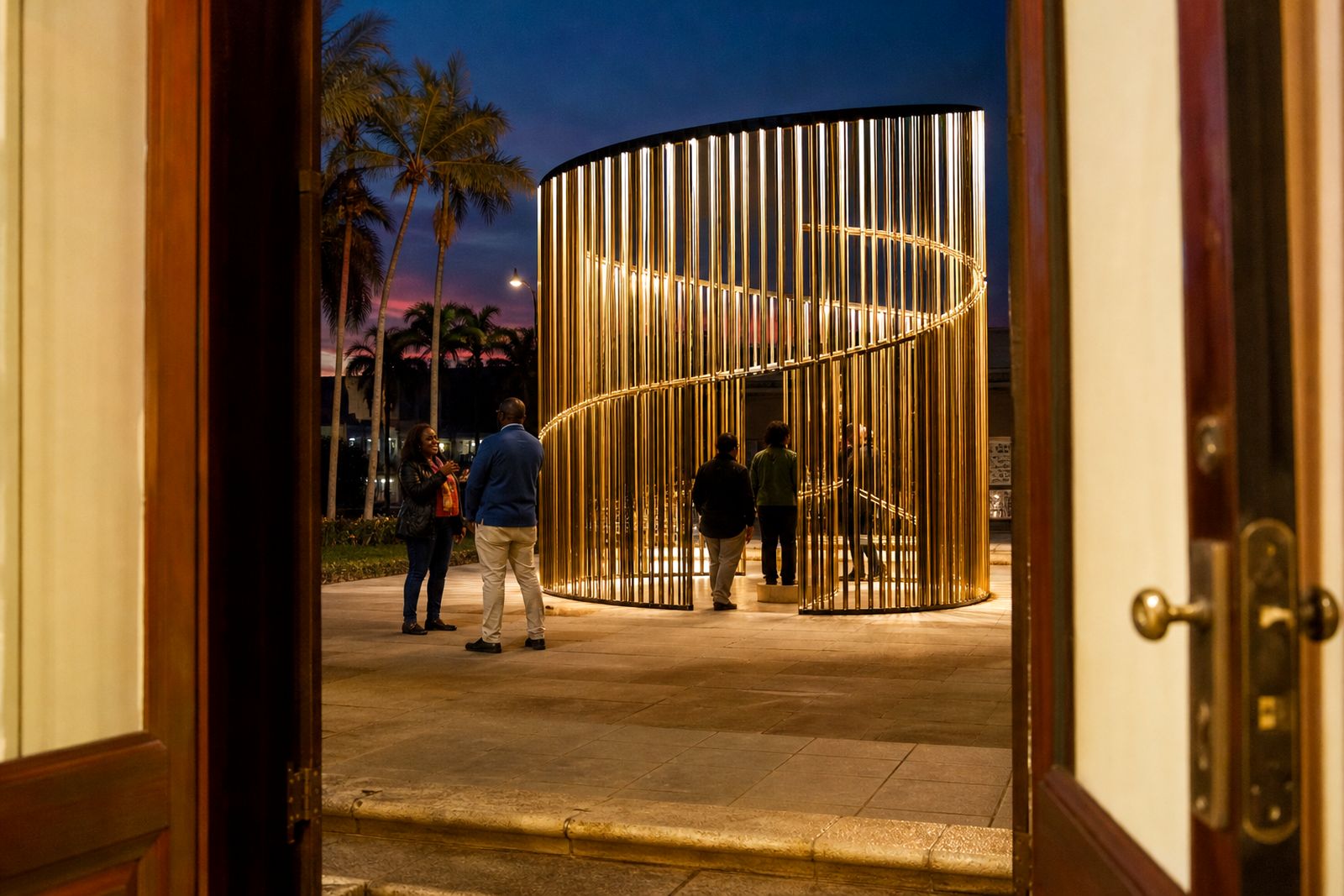
Weekly running notes for the ripple pavilion
For overnight issues, open the support page first, then complete the handoff form with the last check time, power state, and any reset already tried. Use the contact form when the pavilion is changing venue, crew, or operating window and the next team needs a clean written brief.
Pair this care sheet with the dispatch notes before a festival move or mall relaunch. If you need panel layout, ballast positions, or cable routes, check the matching builds page alongside it.
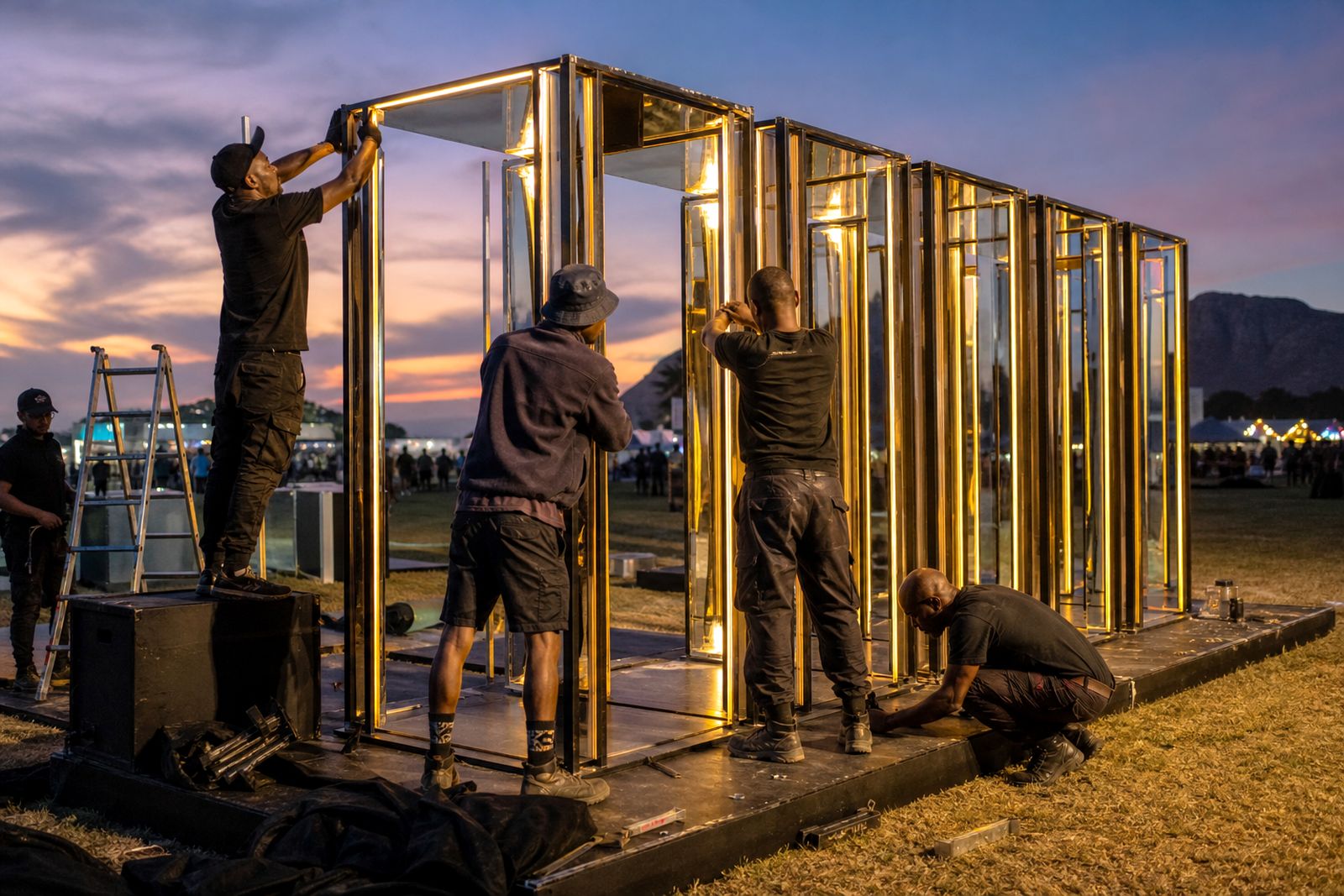
Ripple pavilion usually slips overnight when the wind line, power-down routine, or dust cover rule is vague. Closing checks, morning restart order, and small protection steps matter in Gauteng dust, Cape Town gusts, and shopping-centre access windows. It is written for the producer or site lead carrying the handover between brand staff, security, and technical crew.
Set out the main problem in the first sentence. If the problem is wind, we keep ballast and cut-off on the same brief. If the problem is dust, we publish the seal card. If the problem is queue psychology, we put lane notes next to the brand moment. Ripple pavilion assumes Highveld dust, coastal wind, mall ops windows, and load-shedding, not a fantasy clean-power stage.
Do a full perimeter check once public traffic drops and the lighting state changes. Record any loose skins, scuffed edges, dead lamps, or shifted ballast in the note that follows the pavilion through the night, using our contact form only when the incoming crew needs added context beyond the written handoff. A proper evening record stops the morning team from guessing what changed after close.
Ripple pavilion overnight routine
The care pack for this unit is built around shift use, not office reading. Expect a close-down list, a re-open sequence, and a short fault log that names the exact side, bay, or fitting to inspect. We keep it printable because a dead battery or a load-shedding slot should not remove the basic operating steps from the team on site.
Read the venue notes before changing the pavilion footprint, queue lane, or cable route. Then check the paired dispatch so security, cleaners, and promo staff are using the same wording for closures and morning access. If you write through our contact form, include the city, venue type, weather concern, and whether the problem sits with lighting, skin tension, ballast, or guest flow.
- Close-down list for each pavilion face
- Restart order for lights and media
- Night log for damage, dust, ballast
- Matched links for dispatch and build pages
Conditions that change care
Highveld dust settles into joins and exposed fittings, so morning wipe-downs need to check seals before power returns. Coastal sites need extra attention on windward sides, tie points, and any graphic skin that can flap after dark. In malls, care also includes respecting cleaning crews, loading dock curfews, and the narrow windows when access is actually possible.
A festival night crew may not be the same people opening the pavilion at 08:00, which is why the handoff needs exact faults rather than broad remarks. Note whether the unit was powered off at source, covered, re-ballasted, or left open for security visibility. When conditions turn unusual, such as a late storm cell over Johannesburg or salt spray near the Atlantic seaboard, add that detail so the next inspection starts in the right place.
What our Brand Activation customers say
Verified Google reviews
Also worth a look
Tell us about your activation
Send a note through our contact form with the venue or event, the date, the crowd you expect and the feeling you want, and we will come back with a practical plan and a quote.
Open the contact form