Dispatch
Gate stacks that respect how people wait.
By Mr Nikhil Dookhi, Queue & Flow Lead
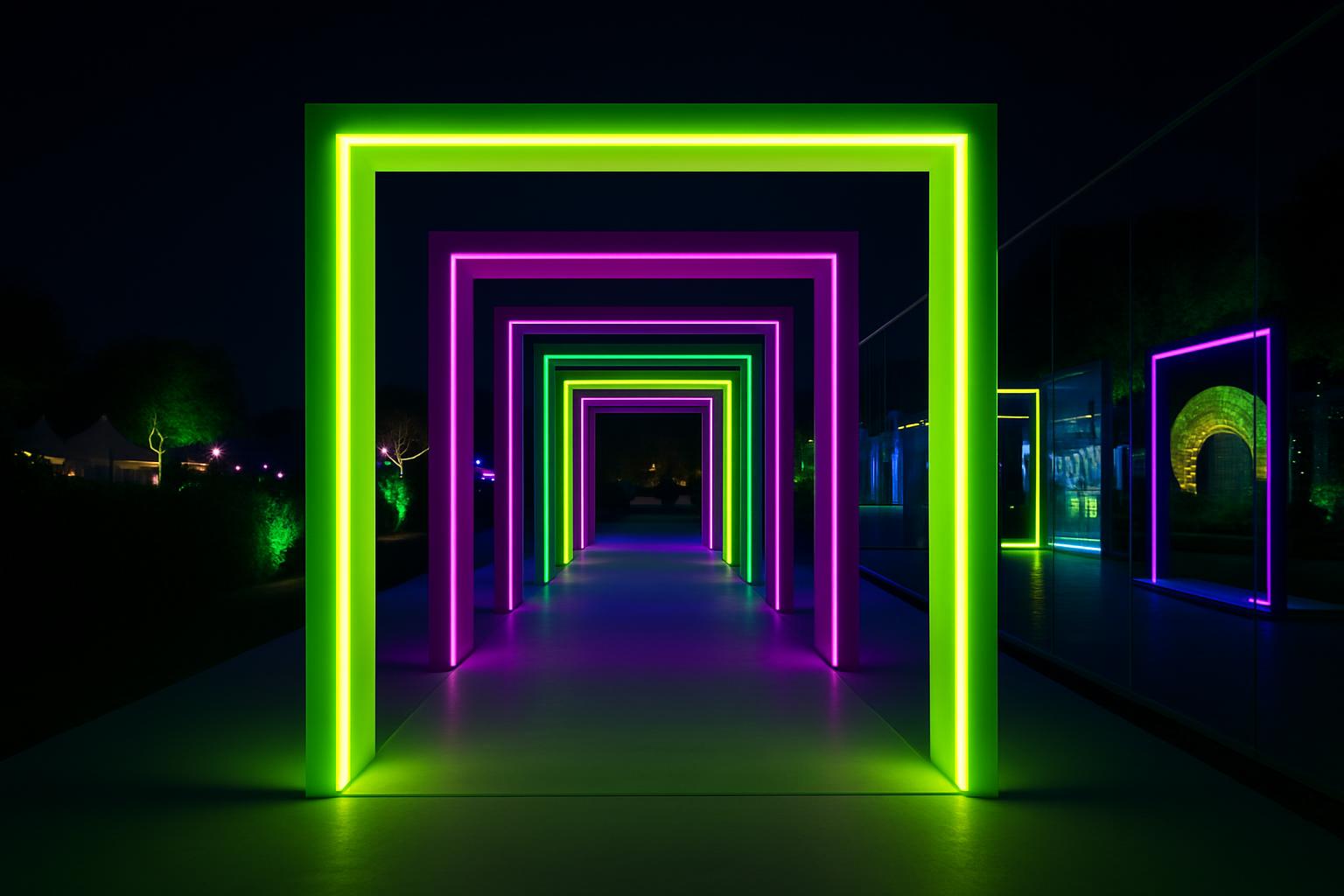

Queue lines work better when each turn has a reason. We plan barriers, sightlines, and waiting pockets so entry, sampling, and ticket scans do not collapse into one knot.
AuthorGate stacks that respect how people wait. At Astonishing Studio we write from Woodstock and regional desks, not from a brochure. Queue psychology is the note we wish producers had before the week turned loud. We keep the language plain, the steps countable, and the next link obvious: an activation path, a venue, or a booked hour with our contact form.
A queue usually fails before the first guest complains. The trouble starts when accreditation, bag checks, guest list questions, and wristbanding share one frontage with no split by task. For festivals and retail launches in South Africa, we mark the hand-off points in advance, count how many people each station can process, and note where a supervisor steps in when the line starts bunching. That keeps the waiting pattern readable for crew and public at the same time.
People join the shortest visible line, even when it is the wrong one. Use one clear entry board, one decision point, and one crew member who redirects before guests commit to the barrier lane. If a brand activation sits beside the queue, position it after the check point so it adds dwell without blocking the scan path.
Queue psychology changes when guests cannot see the reward, so say what they meet in the first ten metres and what they can read from the back of the line. If barriers, shade, or staff positioning are affecting behaviour, include that detail instead of a general complaint.
Cape Town wind can turn a feather flag into a queue problem if sightlines disappear at the gate. On Highveld sites, dust quickly dulls printed arrows and black matting, so replacements need to sit in the truck, not at the office. Shopping centres often restrict where barriers, decals, and roaming hosts may stand, which changes how the queue feeds into tills, lifts, or atrium activations. Load-shedding plans still matter when scanners, tablets, and charging points sit inside the same waiting zone.
After this note, open /activations when the queue must feed a sampling moment or branded interaction. Use /venues when the challenge is access, frontage width, or how guests arrive at a specific site. If you are comparing layouts, pair the gate sketch with photos from the last event so the next decision comes from evidence.
Move from this note to activations when the queue needs hardware, to venues when access rules are the problem, or to our contact form when you need the site and crowd pattern reviewed.
For Woodstock, Cape Town coordination, use our contact form.