Venue
Pop cubes and soft glow for food halls and night kitchens.
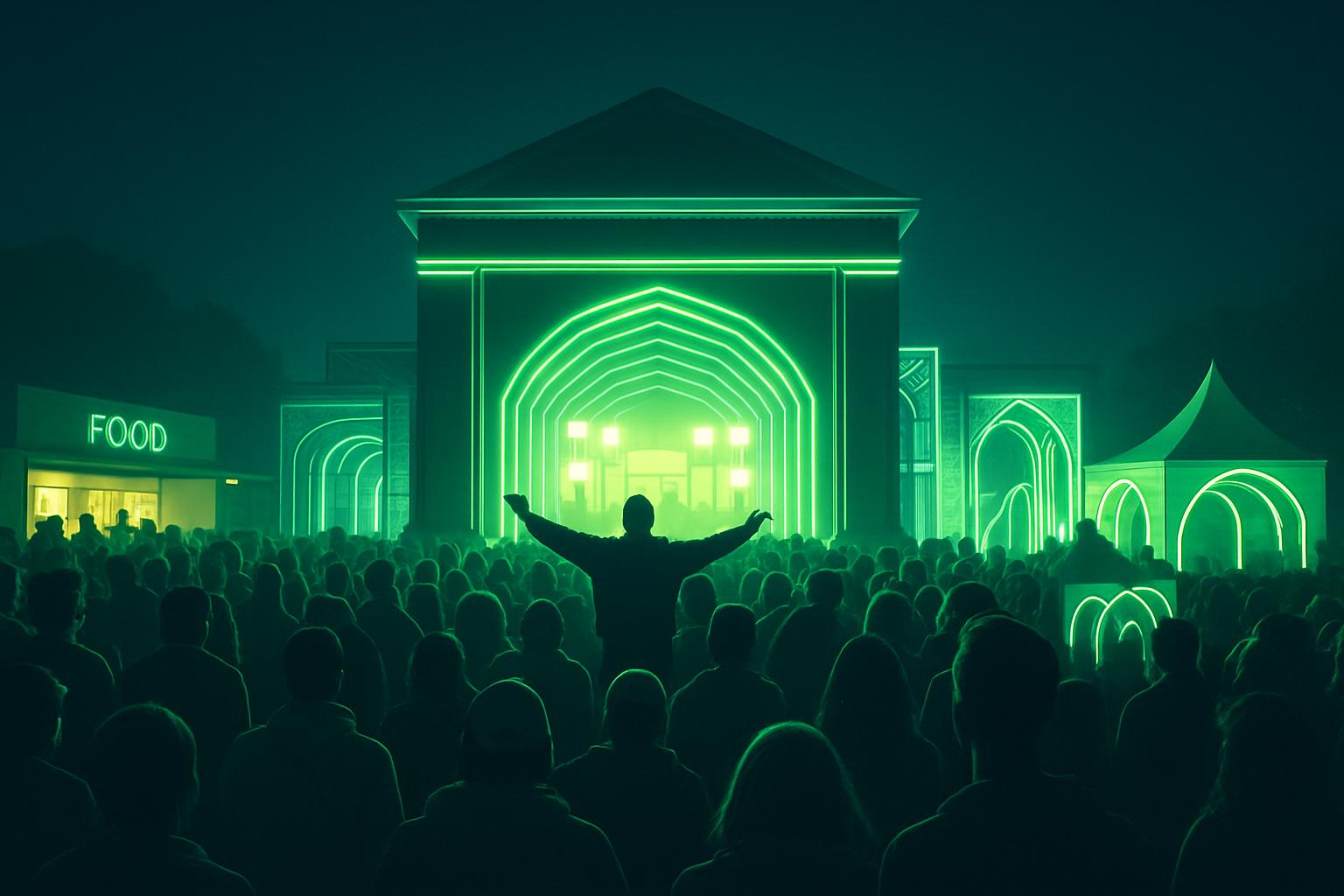
Use dispatch notes to map trader access, closing times, and generator windows before any light box or cube is packed. Pull resources for menu-board sizes, cable runs, and wipe-clean finishes that suit high-traffic food counters.
Food hall pop works best where people queue, collect, and linger with trays under mixed signage and busy kitchen light. We shape compact glow moments with pop cubes, overhead colour, and branded touchpoints that read clearly between menu screens, extractor ducts, and takeaway counters. The plan suits food halls, market courts, and late-trade kitchens where every element must earn its space.
Start by marking the busiest serving edge, the payment point, and the photo-friendly corner that does not choke ordering. Then check cart widths, queue turns, and cleaning routes so cubes and stools do not interfere with traders during rush periods. After that, confirm where power can be drawn without crossing prep zones, and note any house rules for flame, grease, or suspended items. Finish with a reset plan for spills, bin movement, and closing-time pack-down.
South African food halls bring hard-working conditions: fryer vapour, sticky hands, late deliveries, and power interruptions during trade. For that reason, finishes need to wipe down fast, vinyls must hold near warm service areas, and lighting should stay legible under both generator power and bright tenant signage. If weather reaches the venue through roller doors or courtyard openings, we also check wind lift on lightweight branding and how dust sits on lit faces.
Each Food hall pop setup needs one clear host position, one visible brand moment, and one route that remains open for trays and prams. When you brief us, include the venue name, city, trading hours, and whether tenants share back-of-house access. For venue playbooks, a simple marked-up phone photo of the court helps more than a long paragraph.
Teams working in Woodstock, Sunnyrock, Clearwater, Cresta, Pavilion, Tyger Valley, Baywest, and Riverside need handover notes that mention loading bays, tenant access times, and where branded pieces can wait without blocking trade.
Problems usually start when the pop-up grows beyond the available lane width or ignores how people carry food and drinks. Another common miss is treating the court like a showroom, only to discover extractor glare, delivery crates, and queue bunching hide the main feature. Keep the footprint tight and let the busiest path stay obvious.
Load-shedding can flatten a lighting cue, while courtyard drafts can shift lightweight elements near entrances and roller shutters. In winter, earlier darkness helps glow treatments read better, but wet weather pushes people closer to the counters and shortens dwell space. During festival weekends and retail launches, we check security positions, waste removal timing, and whether nearby tenants are running competing sound.
Share the venue through our contact form with the centre or market name, city, and a few lines on peak trade times. Add one phone photo showing the serving side and seating side, plus any rules on power, grease, or after-hours access.
Verified Google reviews
Woodstock, Cape Town enquiries route through our contact form.